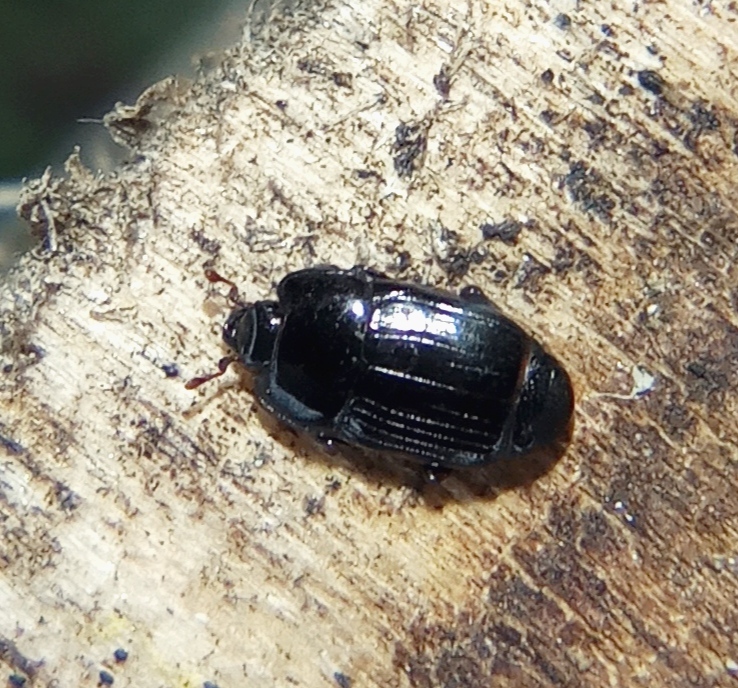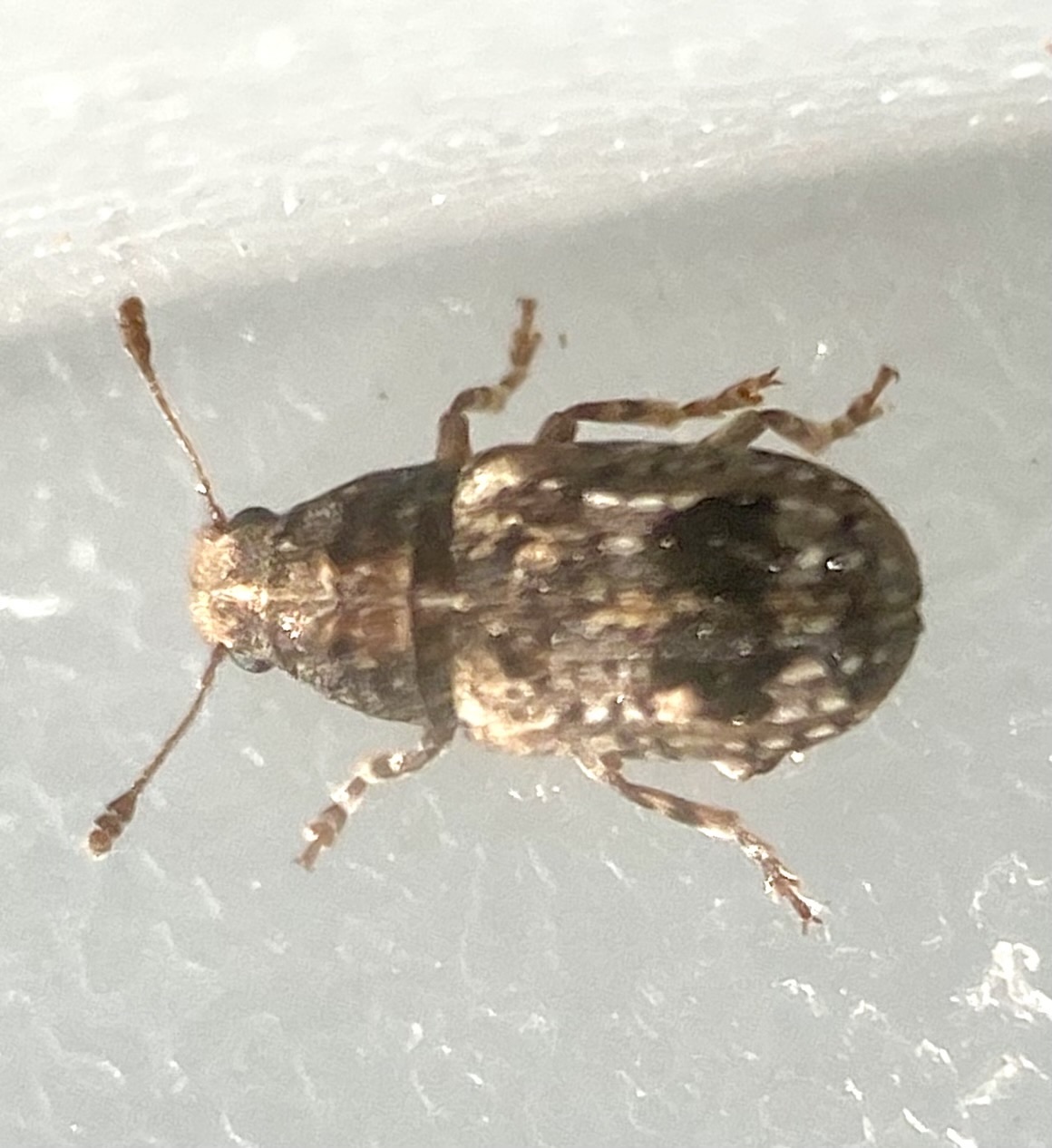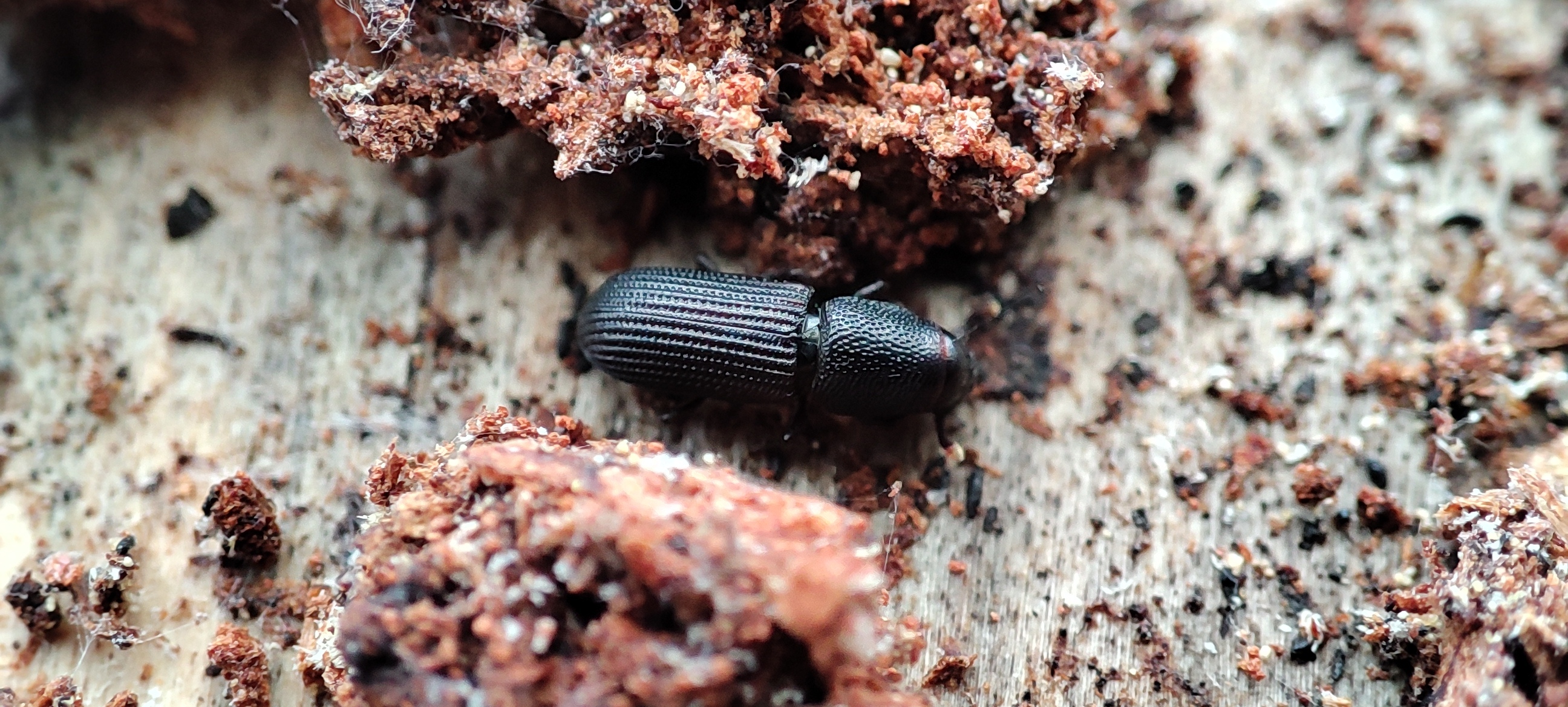
Finsjöbrännan beetles

Journal of Insect Conservation · 2025

The beetles of a boreal burn

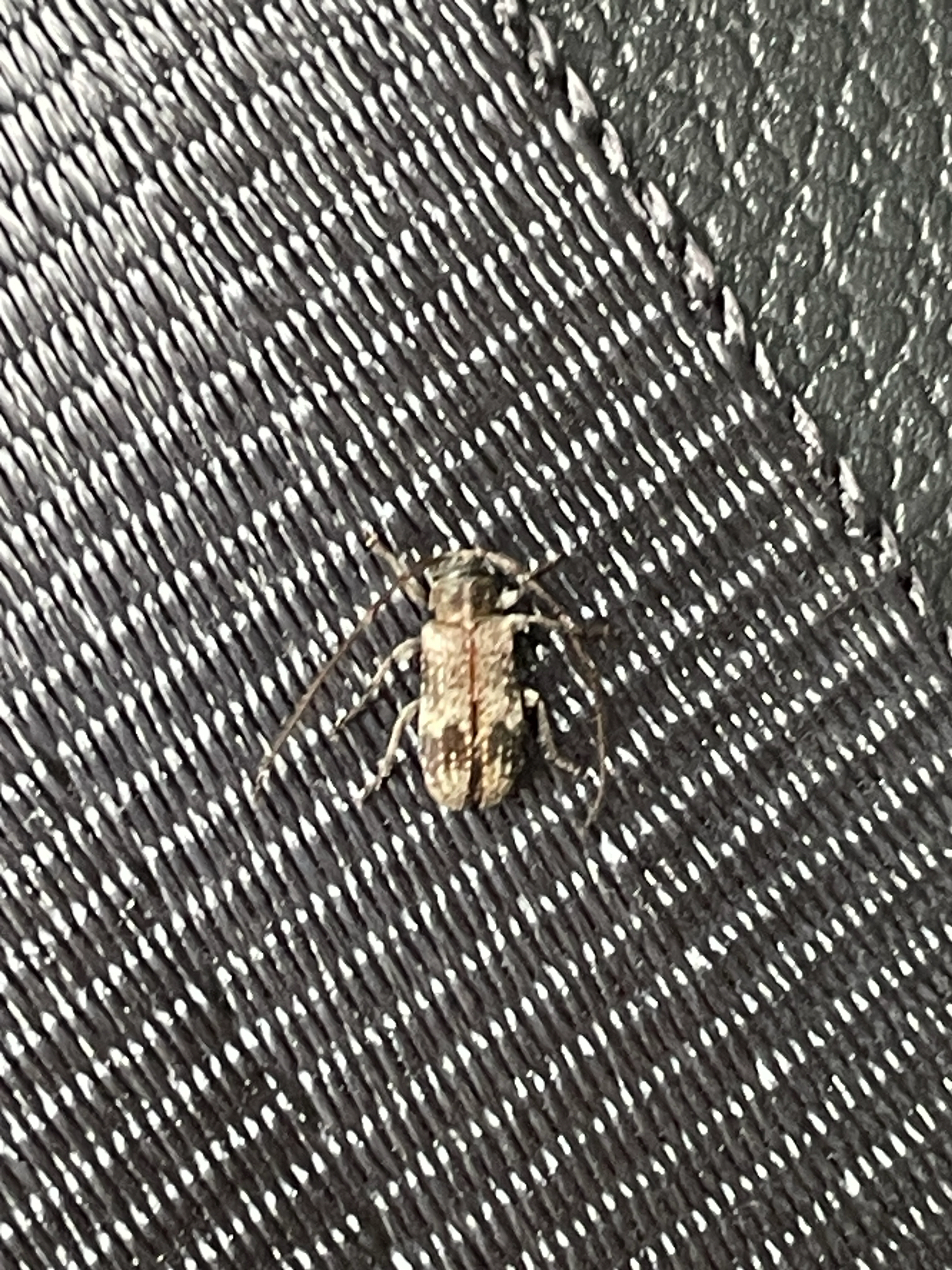
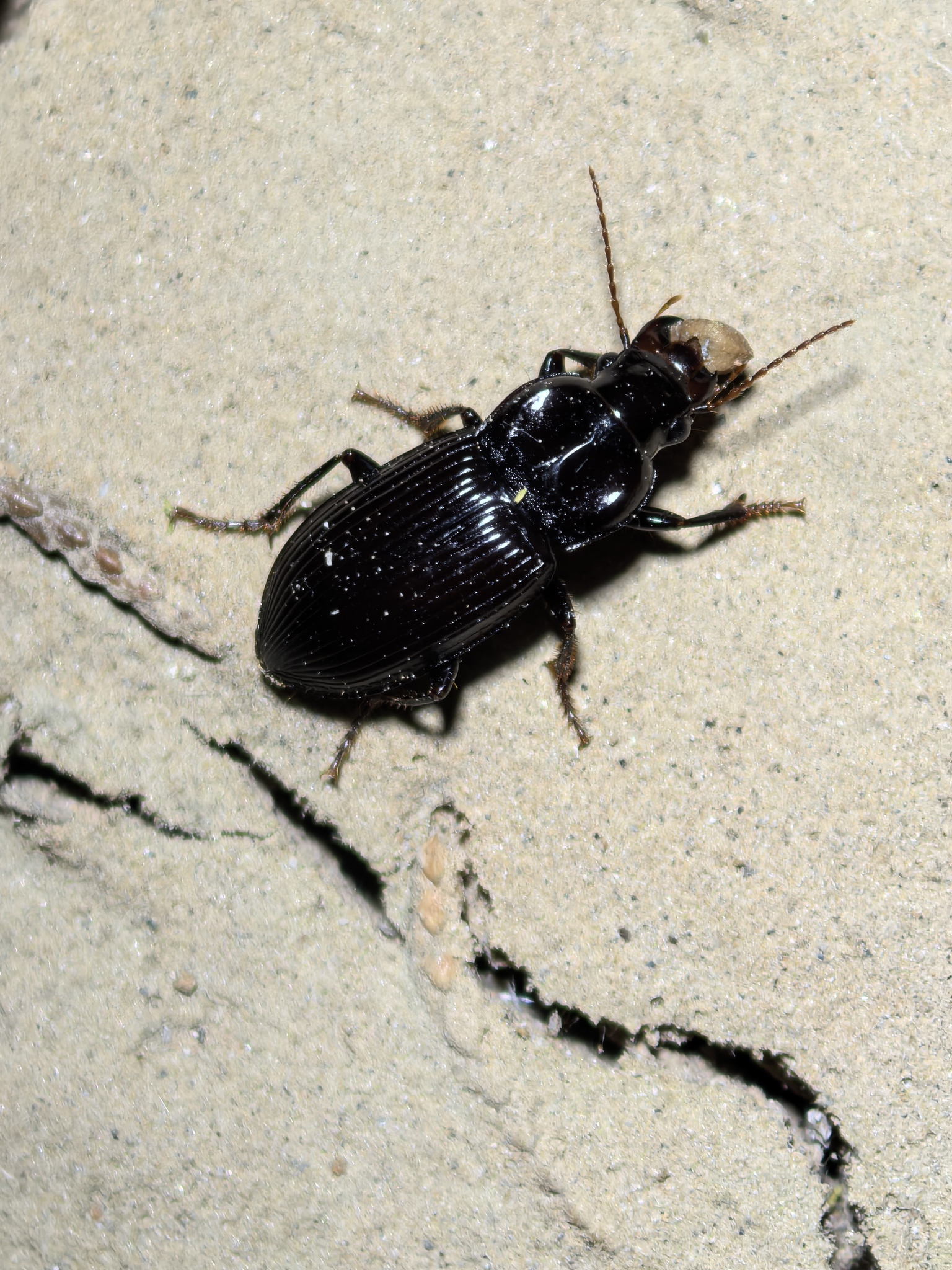
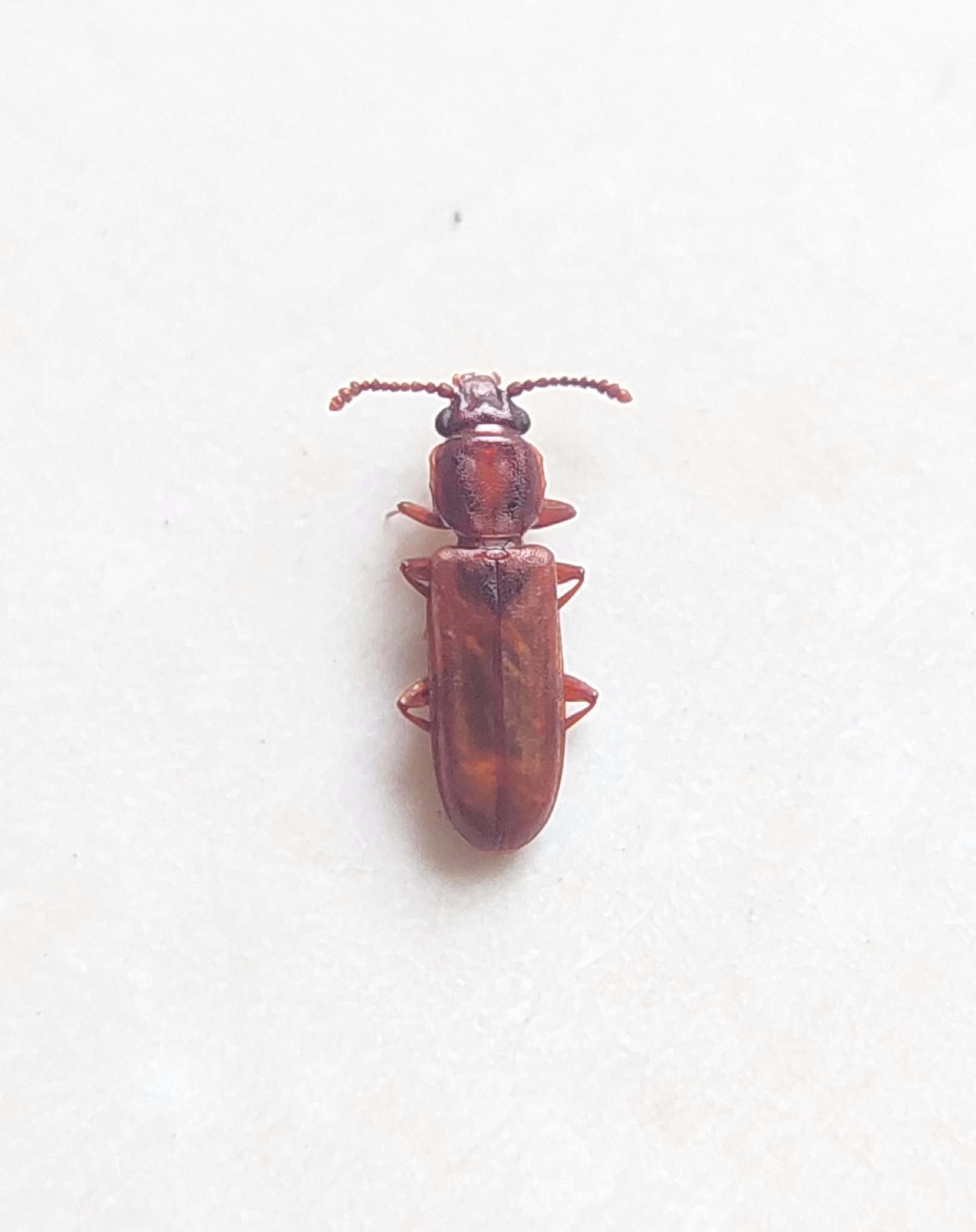
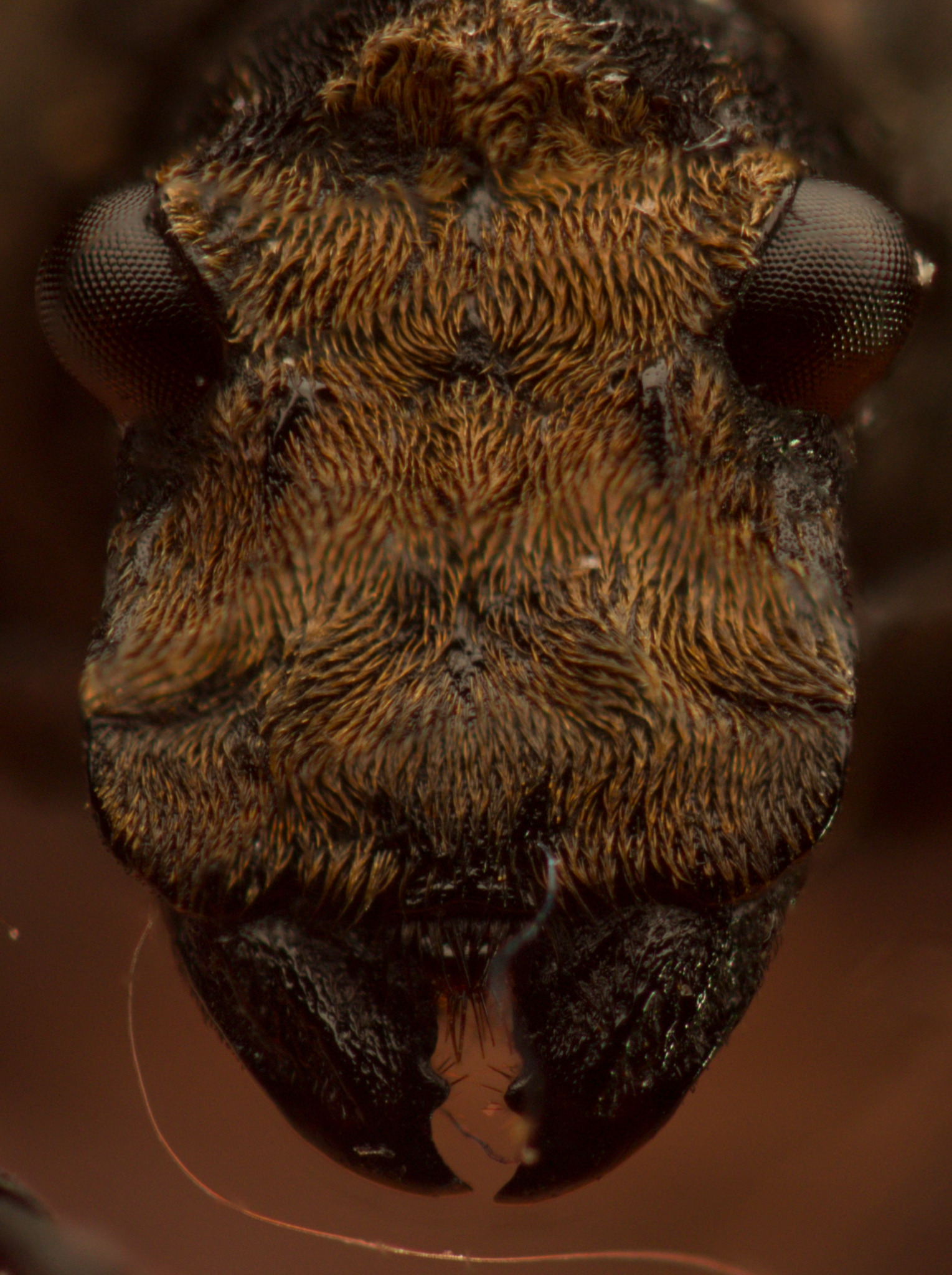
In June 2021 a fire tore through 559 hectares of pine forest at Finsjöbrännan. From the charred wood, 2,258 beetle specimens — 559 species, 36 of them red-listed — were drawn out by five different sampling methods. This is a field guide to what the fire left behind, and to how the way you look changes what you find.

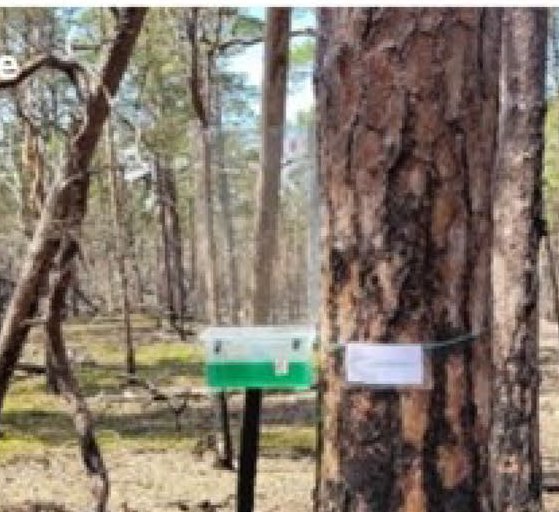
A window flight-intercept trap standing among fire-killed pines in the Finsjöbrännan burn
A window flight-intercept trap among the fire-killed pines. Photo M. Franzén (CC BY 4.0).
0
beetle species recorded
0
specimens identified
0
red-listed taxa (23 NT · 12 VU · 1 RE)
0
sampling methods compared
0
of red-listed species caught by one method only
0
beetle families

The place

A 200-hectare fire, and what colonised it

The burn at Finsjöbrännan (57°10′1.4″N, 16°14′18.1″E) was a high-intensity crown and surface fire on 2021-06-18. Before it, the stand was Scots pine (Pinus sylvestris) dominated, with Norway spruce, aspen, pedunculate oak and silver birch. Most beetles here arrived after the fire, tracking sun-exposed dead wood and fresh fungal substrates. The reserve was protected in 2024.

Flight-intercept  Malaise  Manual  Other Satellite: Esri · records from the export
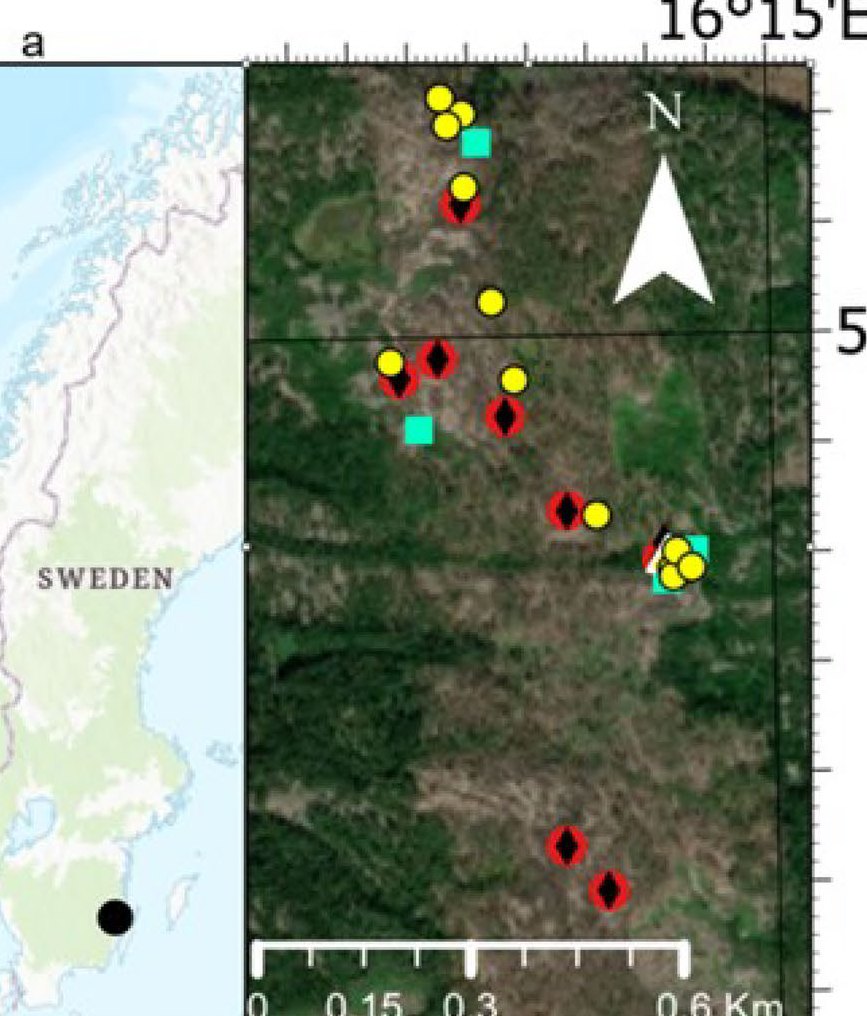
Study-site map: Sweden inset and aerial view of the Finsjöbrännan burn with trap placements
Trap placements from the paper (Fig. 1a): yellow — trunk traps, red — intercept traps, green — Malaise, triangle — pheromone. © Franzén et al. 2025, CC BY 4.0.

Method meets time

Because of logistics, traps ran in different years post-fire — flight-intercept and Malaise in 2022–2023, trunk and pheromone in 2024. Method is therefore confounded with successional stage; the paper is careful, and so is this site, to read differences as method and timing.

How they were caught

Five ways of seeing a beetle fauna

Each method intercepts a different slice of the community — flyers, trunk-dwellers, the pheromone-susceptible, the cryptic. Photographs of the actual traps are from the paper (M. Franzén).

Flight-intercept trap in the burnFIT

Flight-intercept trap

passive · 2022

Transparent acrylic panels (30×40 cm) in a cross-frame over a tray of 70% propylene glycol, intercepting beetles in flight. Set at ~250 m intervals across the burn.

Deployed
2022
Traps
9
Species
331
Trap-days
801

Highest species richness (331) and abundance
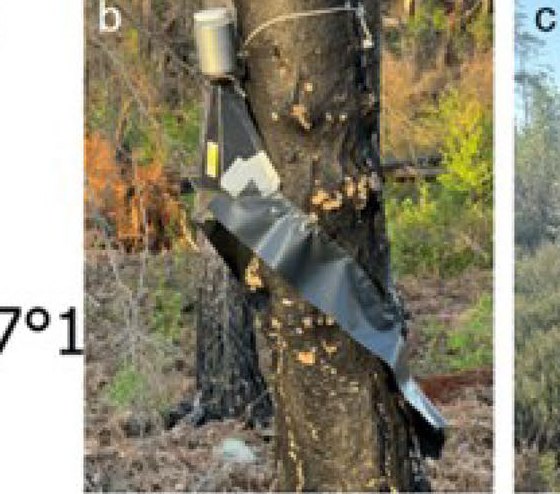
Trunk trap in the burnTT

Trunk trap

passive · 2024

A 30 cm polyethylene collar sealed around fire-killed trunks at ~1.3 m, funnelling beetles moving along the bole. Three traps each on pine, birch, aspen and oak.

Deployed
2024
Traps
12
Species
97
Trap-days
2,268

Highest share of red-listed species (13.4%)

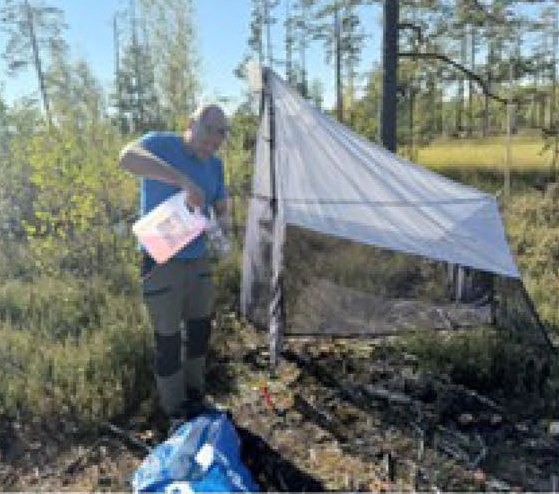
Malaise trap in the burnMT

Malaise trap

passive · 2022–2023

Tent-style flight-interception traps guiding flying insects into a collecting head. Chiefly for Diptera/Hymenoptera but effective for many small, fast-flying beetles.

Deployed
2022–2023
Traps
4
Species
232
Trap-days
660

Second in richness (232); many small fliers

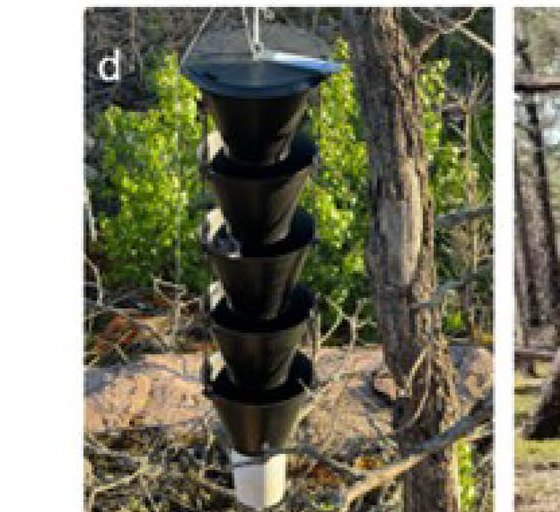
Pheromone trap in the burnPT

Pheromone trap

active · 2024

One multi-funnel trap baited with a blend of longhorn and click-beetle pheromones plus a species-specific lure for Elater ferrugineus. Draws beetles from wide areas.

Deployed
2024
Traps
1
Species
123
Trap-days
110

Most red-listed species per event (2.75)

MAN

Manual searching

manual · 2022–2024

Five coleopterists searching 3–4 h per visit: under bark, in charred stumps and log hollows, beating vegetation, and hand-collecting. Adds cryptic, non-attracted species.

Effort
5 person-days per year
Species added
+44

+44 species caught by no passive trap

What the numbers say

Richness, rarity and the cost of a single method

Every value below is transcribed from the published tables and figures — nothing is re-estimated here.

Species richness by method

Observed species (bar) with the Chao asymptotic estimate. Flight-intercept traps lead; trunk traps sample a small but complete slice.

Flight-intercept trapFlight-intercept trap: 331331 est. 492Malaise trapMalaise trap: 232232 est. 382Pheromone trapPheromone trap: 123123 est. 208Trunk trapTrunk trap: 9797 est. 146

Red-listed species by method

Trunk traps catch few species but the highest share of red-listed ones (13.4%).

Flight-intercept trapFlight-intercept trap: 2323 6.9% of catchTrunk trapTrunk trap: 1313 13.4% of catchPheromone trapPheromone trap: 1111 8.9% of catchMalaise trapMalaise trap: 77 3.0% of catch

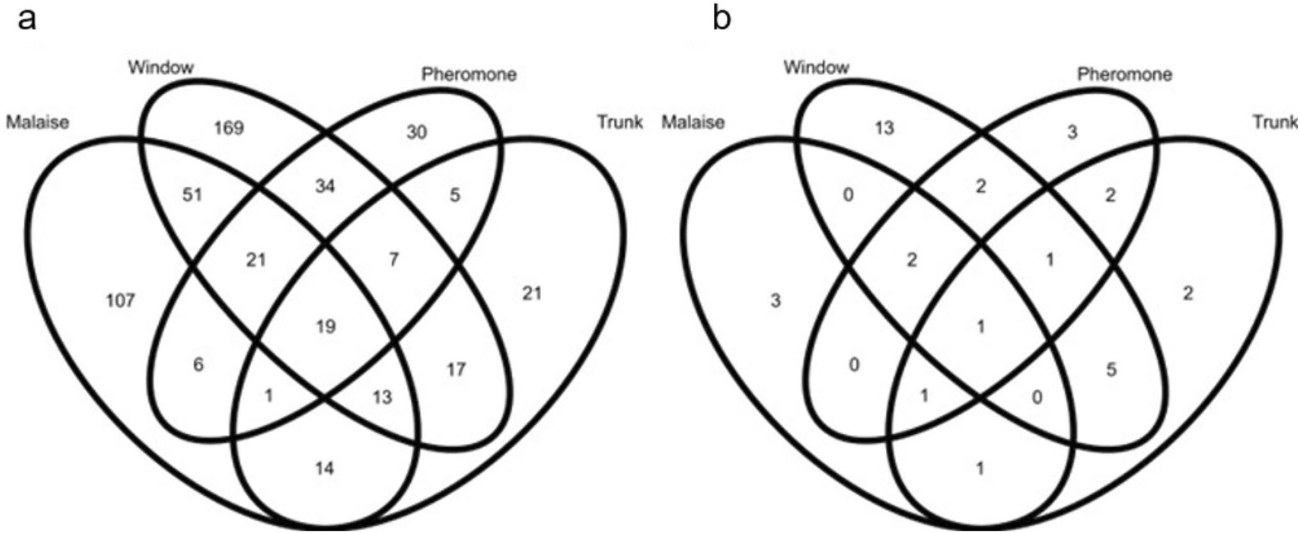
Species unique to each method

327 of 515 trap species (63.5%) were caught by one method only; just 19 (3.7%) by all four.

Flight-intercept trapFlight-intercept trap: 169169 51.1% uniqueMalaise trapMalaise trap: 107107 46.1% uniquePheromone trapPheromone trap: 3030 24.4% uniqueTrunk trapTrunk trap: 2121 21.6% unique

Red-listed species per sampling event

Efficiency, not totals: the pheromone trap returns 2.75 conservation-priority species per event.

Pheromone trapPheromone trap: 2.752.75Flight-intercept trapFlight-intercept trap: 0.720.72Malaise trapMalaise trap: 0.50.50Trunk trapTrunk trap: 0.280.28

Assemblage overlap (Sørensen)

All pairwise similarities are low (0.26–0.37): any two methods share only about a quarter to a third of their species.

FITMTPTTT
FIT0.370.360.26
MT0.370.310.28
PT0.360.310.29
TT0.260.280.29
Darker = more similar

How far do method combinations get you?

Flight-intercept + trunk traps reach ~89% of estimated richness at ~40% of the effort.

FIT + TTFIT + TT: 89.3%89.3% 417 sp · 30 red-listedFIT + TT + PTFIT + TT + PT: 94.1%94.1% 438 sp · 34 red-listedAll four methodsAll four methods: 96.7%96.7% 515 sp · 36 red-listed

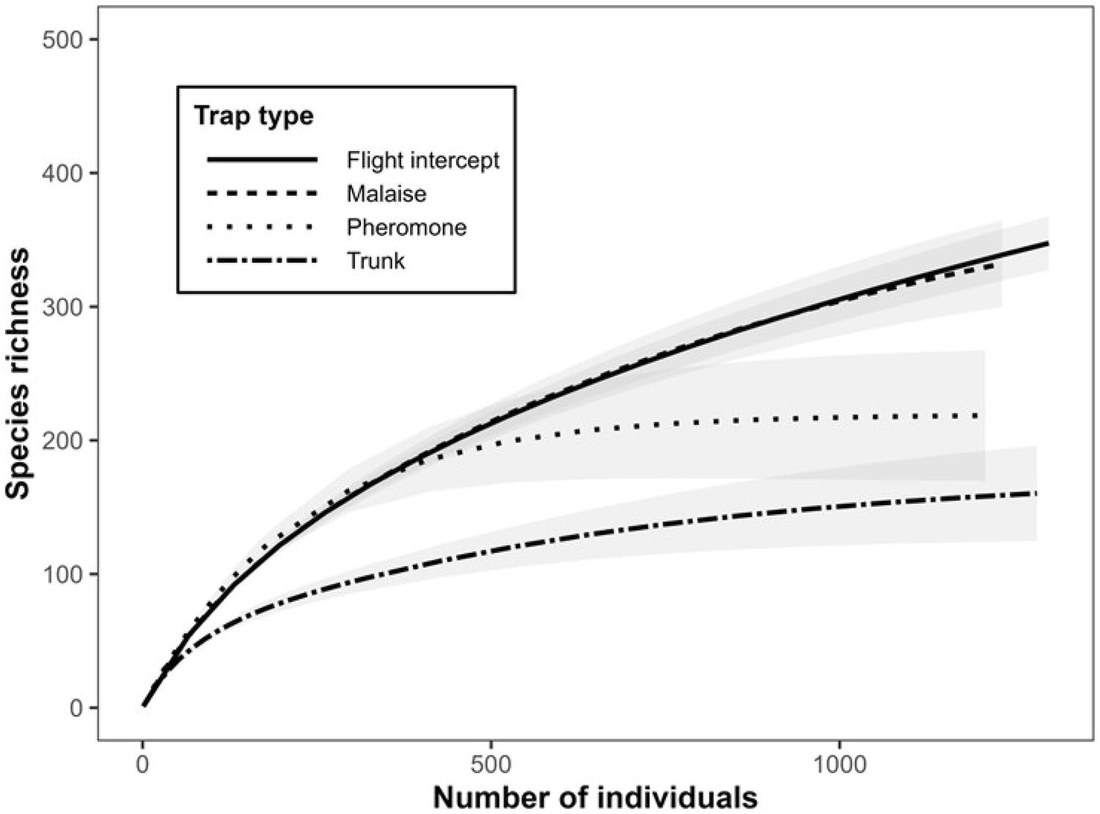
Rarefaction & extrapolation

Sample-based curves standardised to 95% coverage (paper Fig. 3).

Rarefaction and extrapolation curves for each method

Overlap between methods

Venn diagrams for all 515 trap species and for the 36 red-listed taxa (paper Fig. 4).

Venn diagrams of overlap among the four trapping methods

The take-home

No single method captures a post-fire beetle fauna. Because 61% of red-listed species turned up in just one method, an inventory that drops a method risks dropping threatened species with it. The paper recommends a multi-method core — flight-intercept plus trunk traps, with a pheromone trap for priority targets — deployed with temporal consistency.

Conservation priority

Flagship & red-listed species

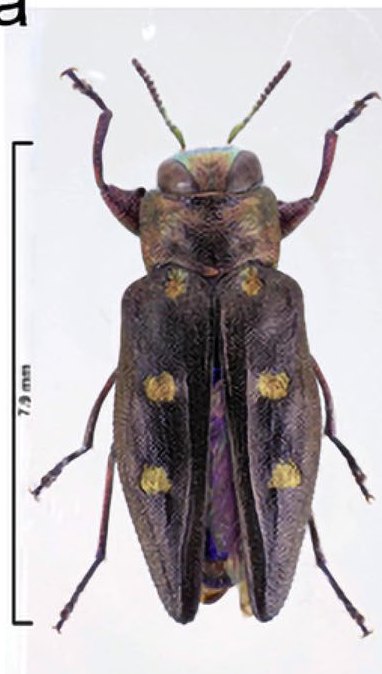
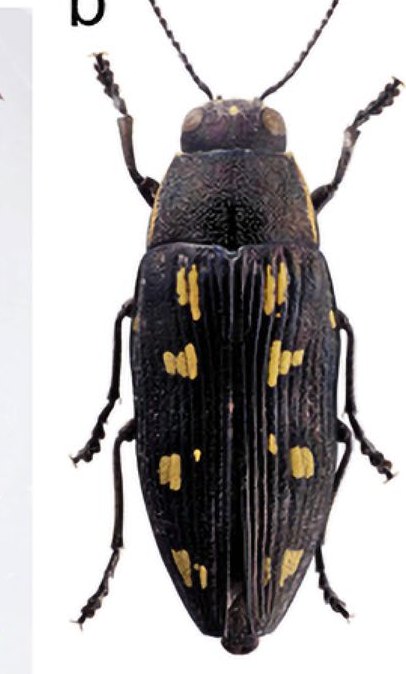
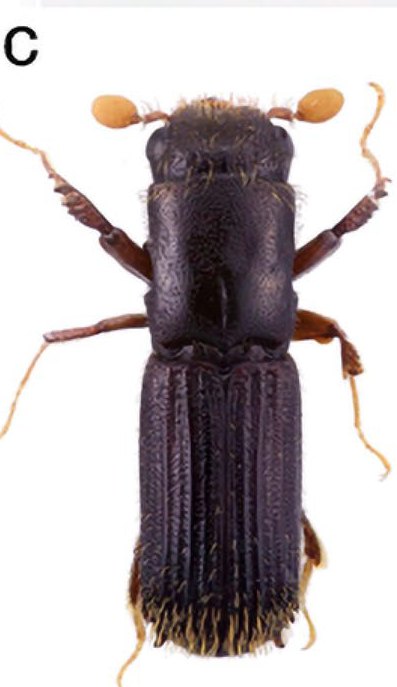
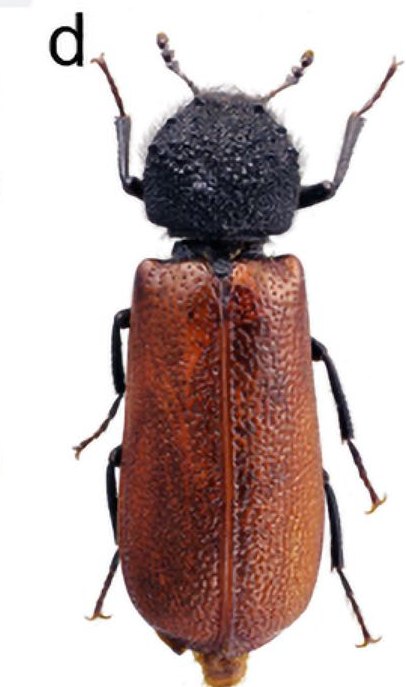
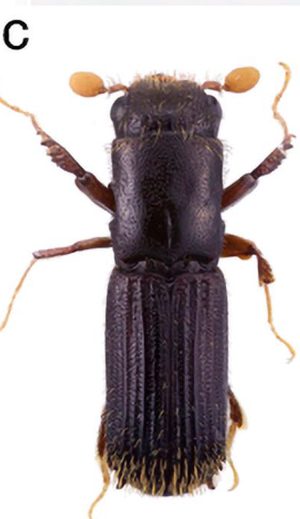
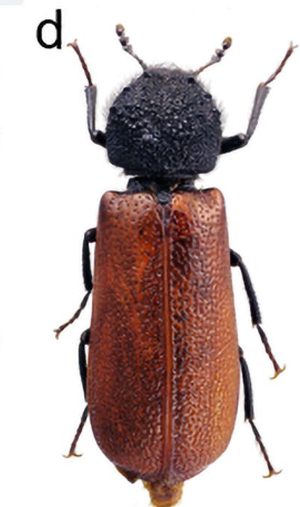
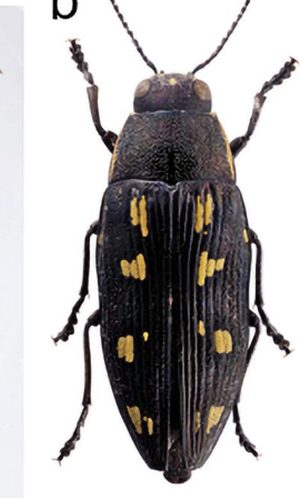
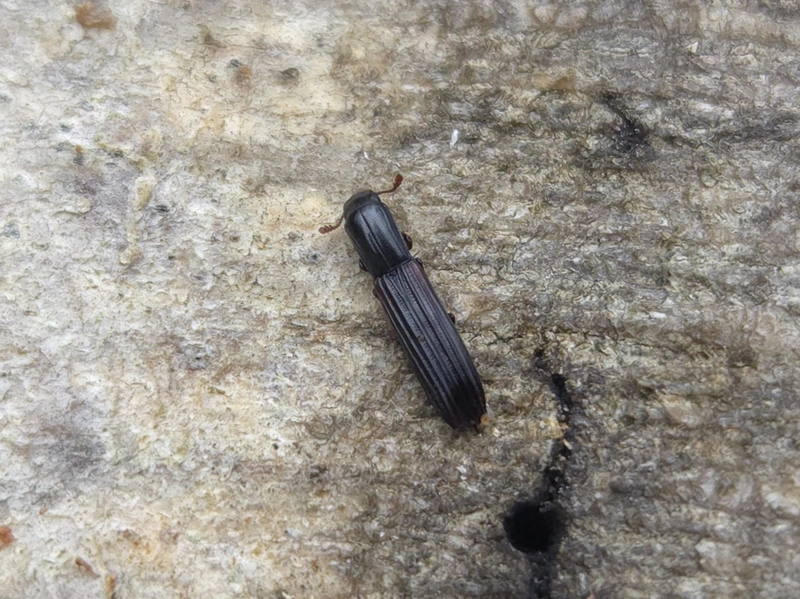
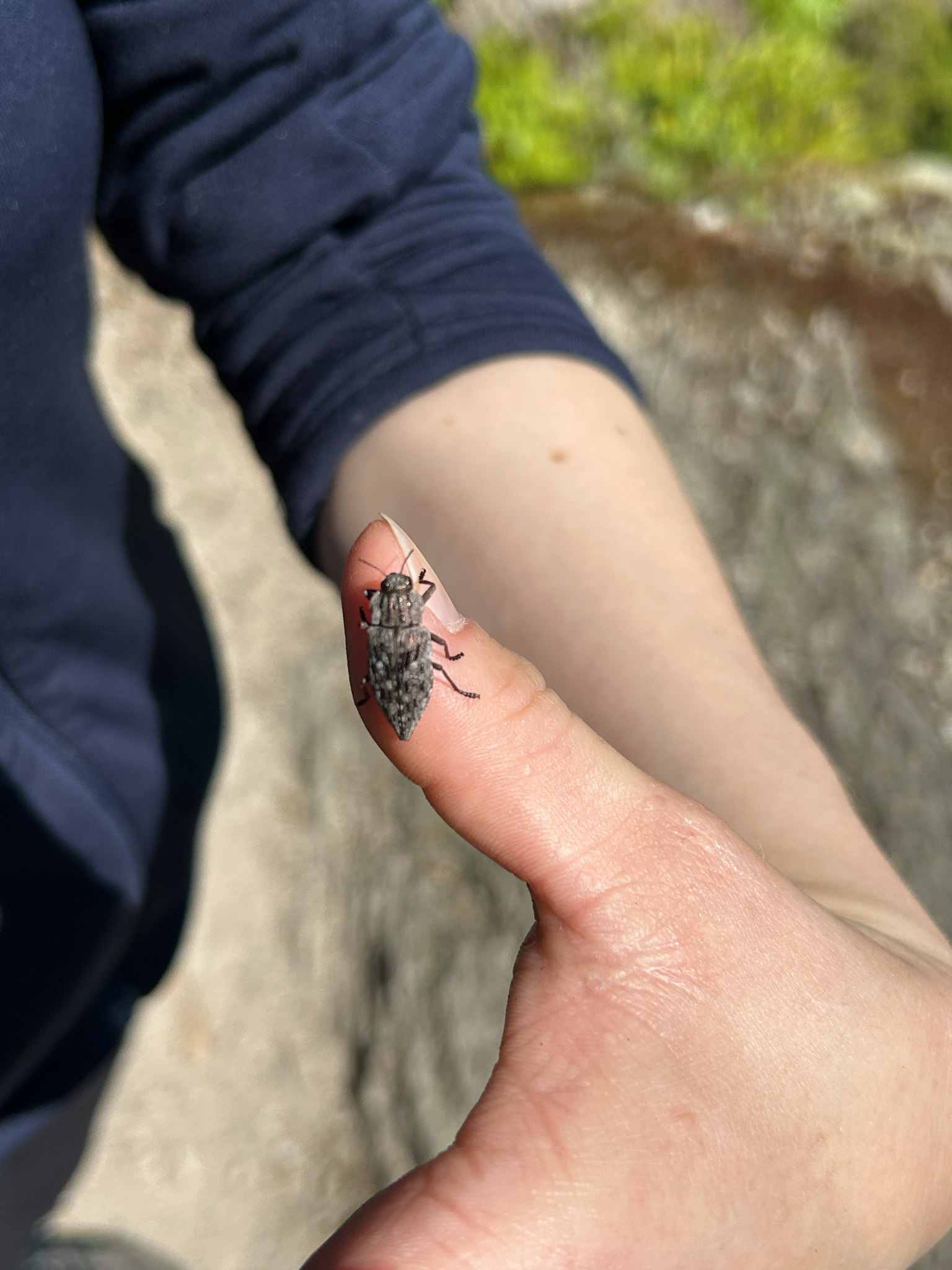
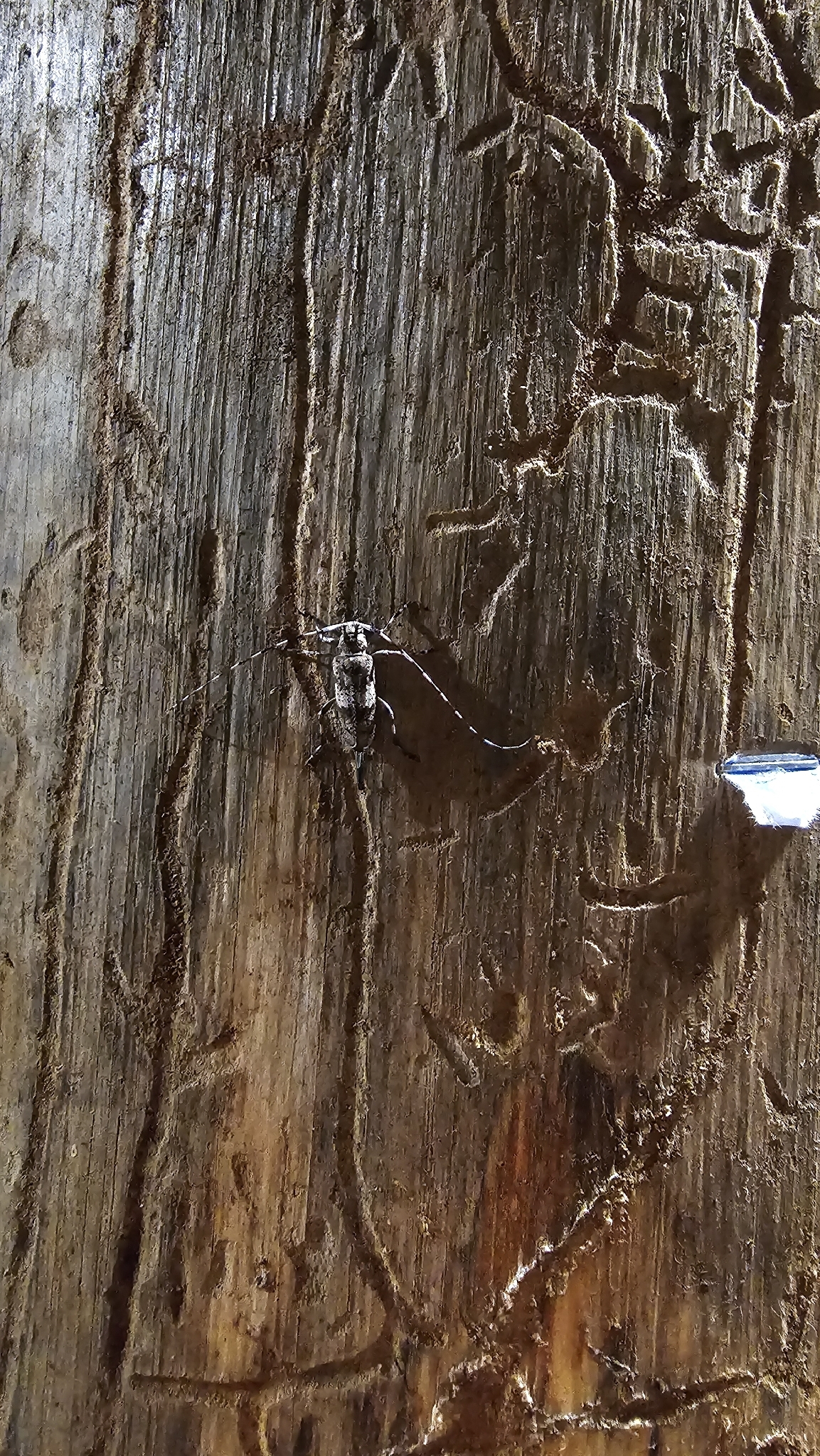
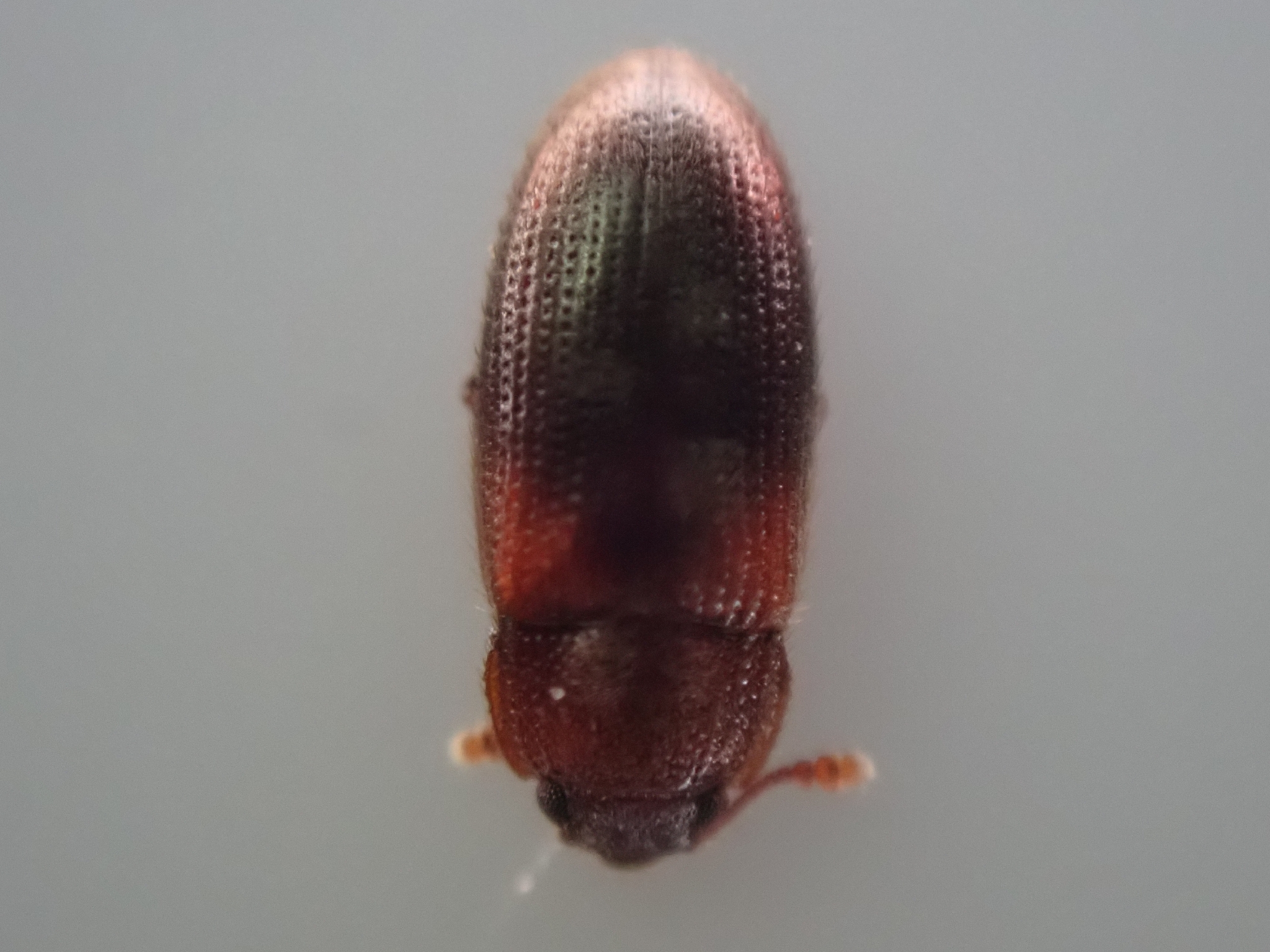
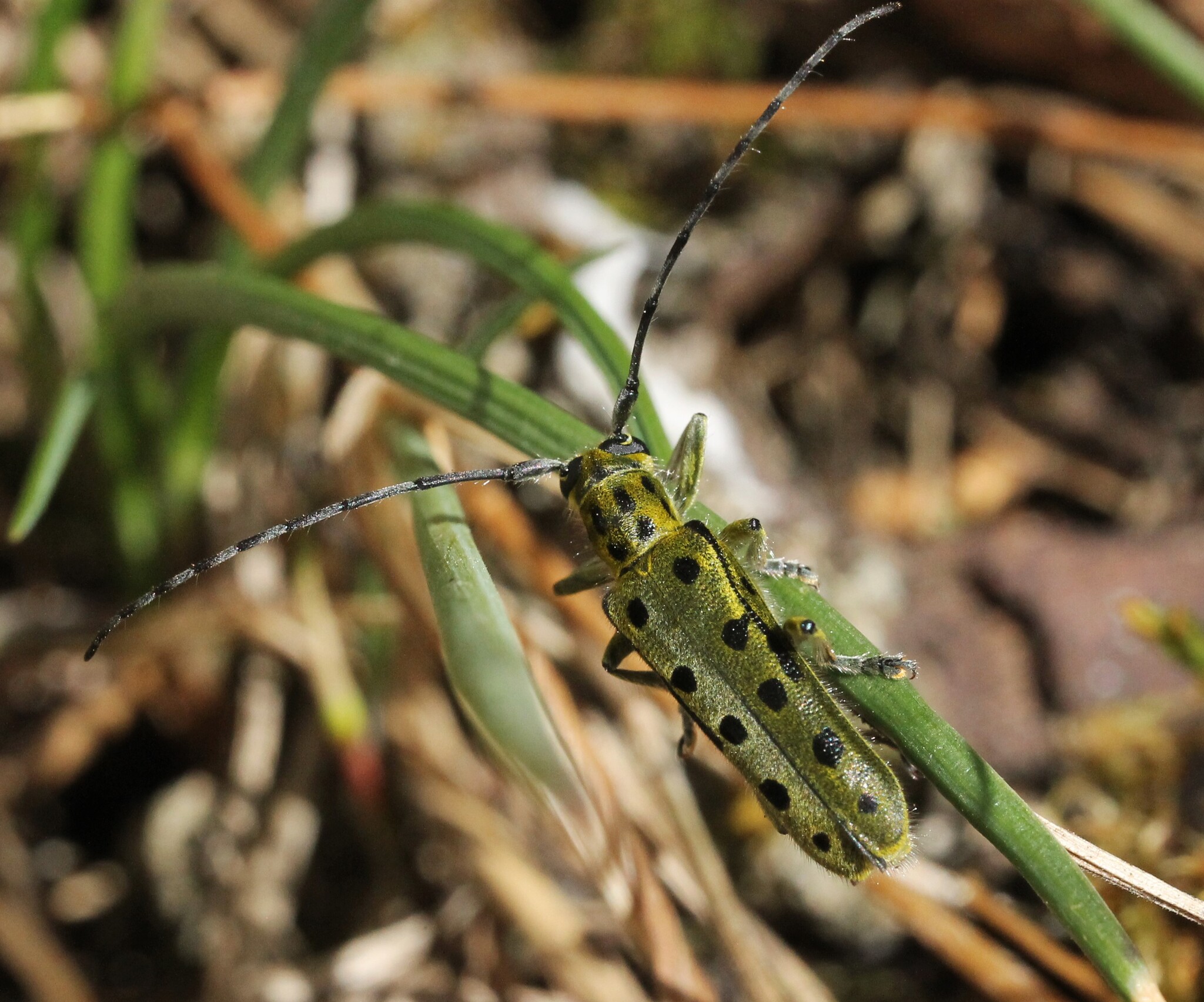
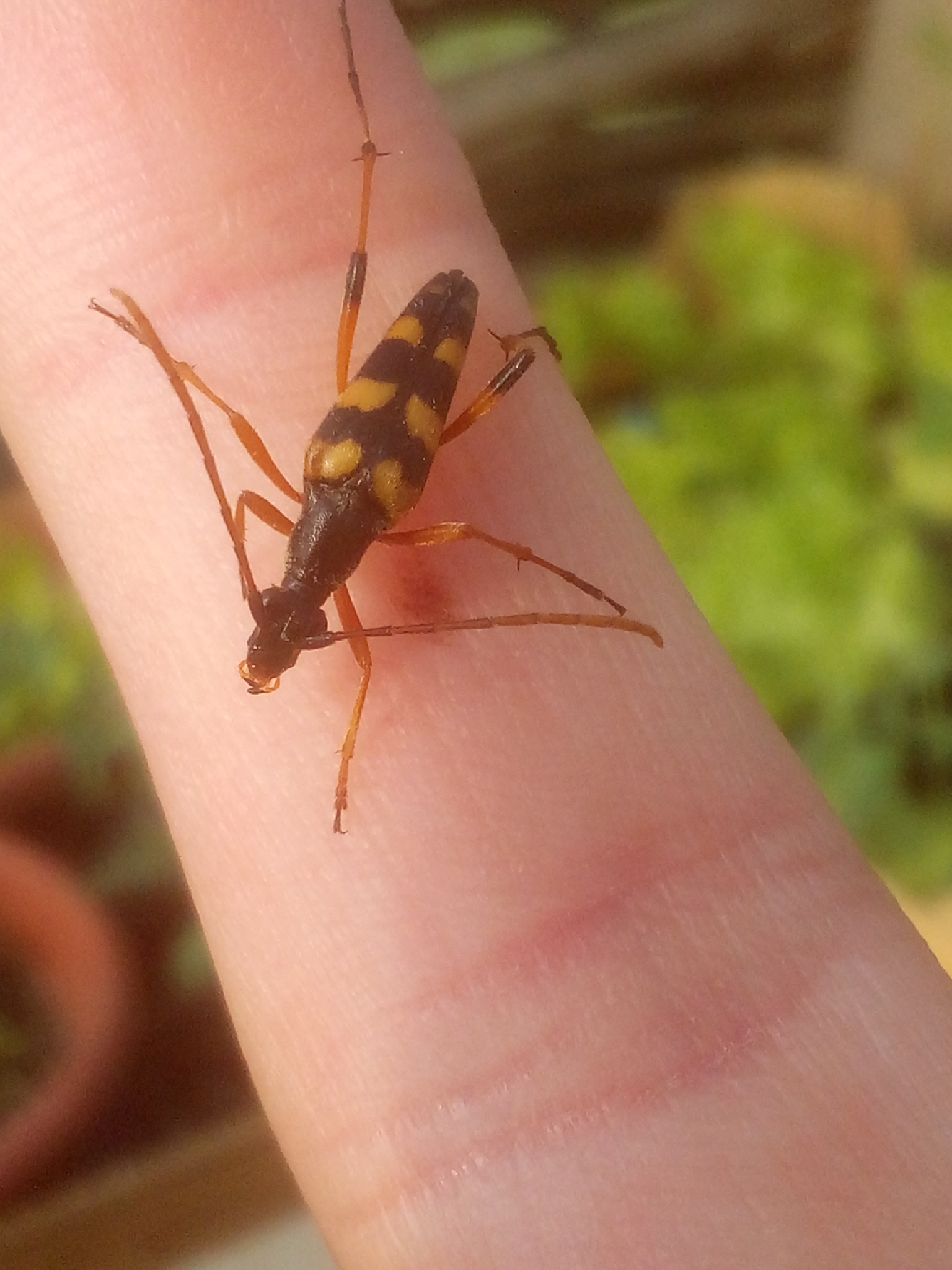
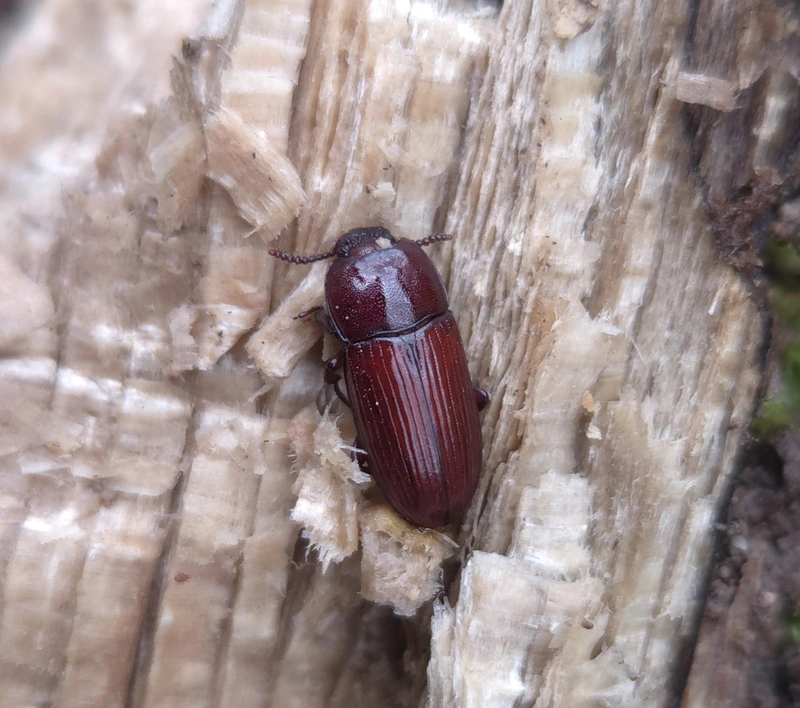
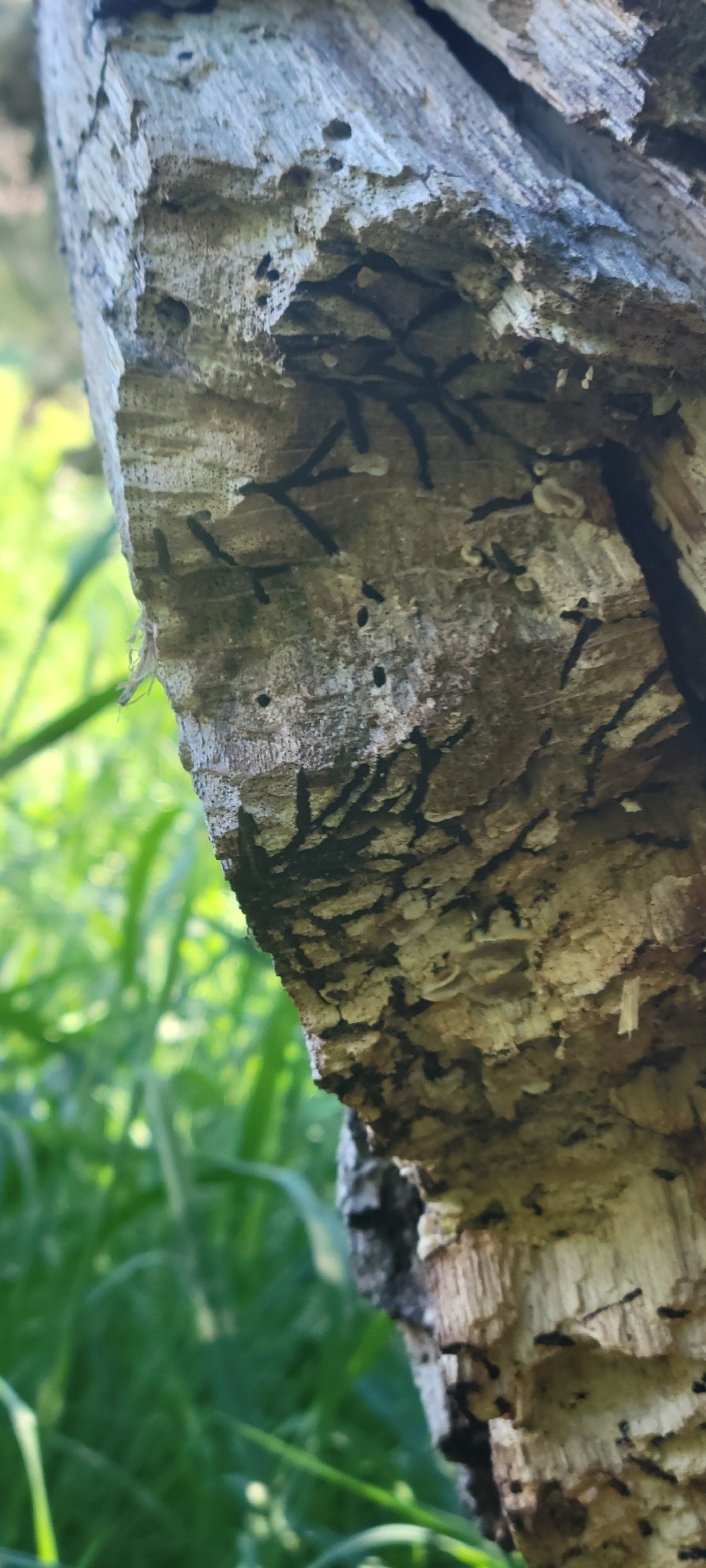
The paper singles out four beetles; below them, every red-listed taxon in the material. Each links to its own page with a live distribution map and photographs.

All red-listed taxa (35 in the export; paper reports 36)

The whole fauna

Explore every species

Search and filter all 509 taxa. Each card opens a page with GBIF occurrence maps, live iNaturalist photographs, taxonomy and links to GBIF, Catalogue of Life, iNaturalist and Artfakta.

Status:
Method:

About

Data, provenance & caveats
This site is an interactive companion to Franzén, M., Forsman, A. & Persson, O. (2025), “Evaluation of sampling methods for characterisation of post-fire beetle assemblages”, Journal of Insect Conservation 29:92 (doi:10.1007/s10841-025-00728-x, CC BY 4.0). All reported figures — Tables 1–3, the Sørensen indices, the Venn overlaps and the method-combination coverage — are transcribed verbatim from the paper.
Two data layers, kept separate

The reported statistics come from the paper and are authoritative. The specimen layer — the 1,911 rows behind the species pages, maps and records tables — is an Artportalen export dominated by flight-intercept + Malaise + manual work in 2022–2023. It does not fully contain the 2024 trunk/pheromone catch, so it resolves 509 taxa rather than the paper's 559. Named highlight species missing from the export (e.g. Elater ferrugineus, Dircaea australis) are added from the paper and marked “paper record”.

Enrichment. 506 of 509 taxa were matched to the GBIF backbone; 480 carry a CC-licensed lead photograph (via GBIF) and 460 a direct Catalogue of Life link. Distribution maps are GBIF occurrence-density tiles; species galleries are fetched live from iNaturalist. Coordinates were converted from SWEREF99 TM to WGS84.

Red-list status follows the Swedish Red List 2020 (Eide et al. 2020); IUCN European Red List of Saproxylic Beetles (Nieto & Alexander 2010). Analyses in the paper used R 4.4.3, iNEXT 3.0.1, vegan (metaMDS), VennDiagram.