Central Research Questions
This project examined how functional the tree environments along the Stångån river in Linköping are for tree-dwelling insects, focusing on tree species, cavities, dead wood and habitat connectivity.
Background and Aims
The study investigates whether the green corridor along Stångån provides suitable habitats for insects with specific requirements. Approximately 9 km along the river were surveyed to assess tree composition, dead wood, cavities and connectivity, and to identify opportunities to strengthen biodiversity.
Key findings and ecological implications
- Tree diversity: 2,766 trees representing 21 tree species were recorded, with alder and willow dominating the area.
- Habitat connectivity: Connectivity of dead wood and cavity trees varied along the river, with some areas showing spatial gaps leading to fragmentation.
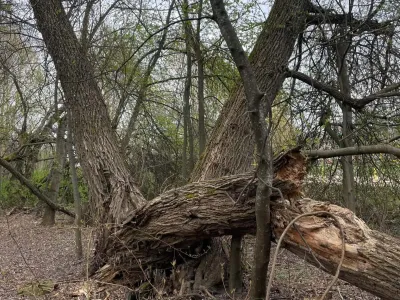
- Connectivity matters: Maintaining connected habitats of dead wood and cavity trees is important for insects dependent on these structures.
- Balance between diversity and continuity: Less disturbed areas should maintain continuity of dominant tree species, while parks can benefit from greater tree species diversity.
The study highlights the importance of preserving mature trees, cavities and dead wood along Stångån. Less disturbed areas should be allowed to develop naturally, while parks should prioritize native tree species and tree diversity. These measures can help maintain the green corridor and strengthen habitats for insects and other organisms around the river.