Gotland

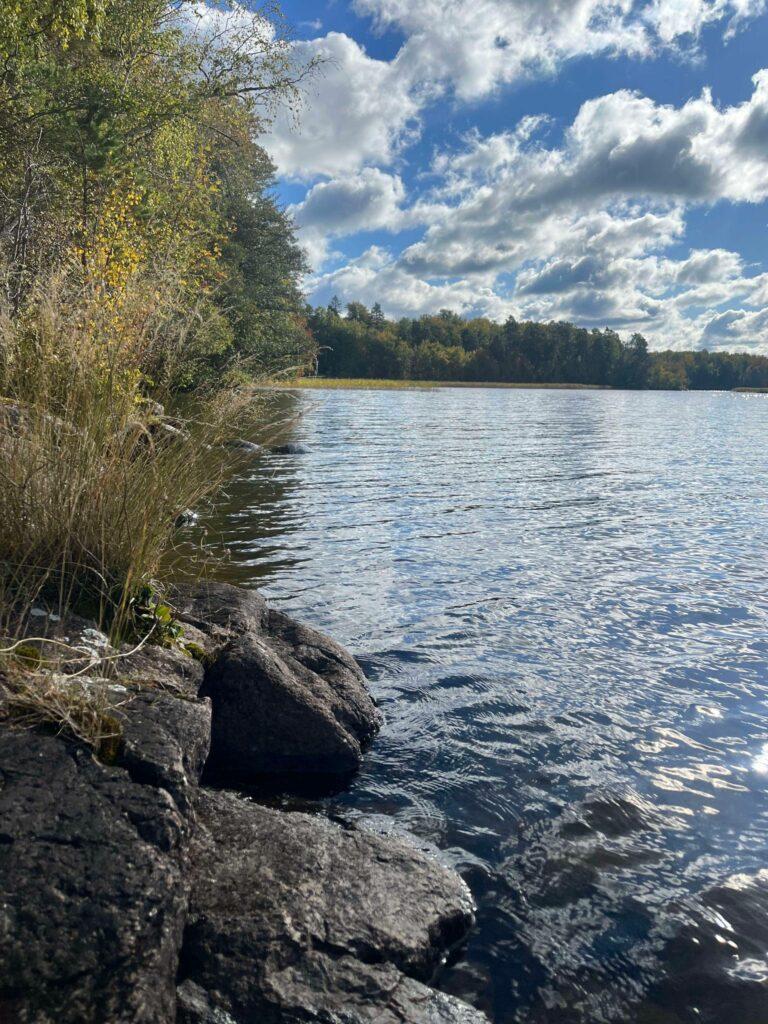
The special island of Gotland is a place of visit of our students every year. Here you can see the projects conducted there and their importance for conservation.

  • Quantify population sizes, density-dependent dispersal patterns, and demographic parameters of threatened butterfly species in limestone quarry landscapes
  • Evaluate the efficacy of habitat restoration and creation techniques within active and abandoned quarry sites
  • Assess the impact of grazing regimes, climatic variation, and landscape structure on population viability
  • Develop evidence-based management protocols for limestone extraction industries to maintain and enhance biodiversity values
  • Train the next generation of conservation biologists through intensive field-based research programmes
  • Contribute to national and international conservation policy through peer-reviewed publication and stakeholder engagement

Active limestone quarries and post-extraction sites represent anthropogenic habitats that can, paradoxically, support threatened species dependent on early-successional calcareous grasslands. Our restoration ecology programme investigates:

  • Optimal quarry floor preparation techniques to promote native calcareous grassland establishment
  • Successional trajectories in restored quarry habitats and their suitability for target butterfly species
  • Microclimate engineering through topographic manipulation to create thermal refugia
  • Integration of quarry operations with conservation objectives through adaptive spatial planning

Extensive mark-recapture studies provide unprecedented insight into the spatial ecology of three nationally threatened butterfly species. Analysis of nearly 30,000 individual captures reveals:

  • Maximum recorded flight distances: 7.2 km (Marsh Fritillary), 6.4 km (Apollo), 2.5 km (Large Blue)
  • Significant positive density-dependent emigration coupled with negative density-dependent immigration across all three species
  • Lognormal movement kernels providing superior fit to dispersal data compared to alternative probability distributions
  • Population sizes substantially larger than previously estimated, necessitating landscape-scale conservation planning

Livestock grazing represents a dominant land management tool in semi-natural grasslands, yet inappropriate grazing intensity can be detrimental to threatened species. Our experimental grazing studies demonstrate:

  • Adverse impacts of intensive grazing on Marsh Fritillary oviposition preference and larval survival
  • Reduced host plant (Succisa pratensis) abundance and structural suitability under high grazing pressure
  • Edge effects between grazed and ungrazed habitats influencing butterfly movement and habitat selection
  • Development of optimal grazing prescriptions balancing agricultural productivity with conservation objectives

Long-term monitoring datasets enable assessment of climatic impacts on population dynamics, phenology, and distribution patterns:

  • Effects of extreme drought events (particularly the 2018 summer drought) on population growth rates
  • Temperature-dependent flight activity patterns and implications for reproductive success
  • Temporal shifts in emergence phenology and potential phenological mismatches with host plants
  • Modelling future species distributions under projected climate scenarios

Target species

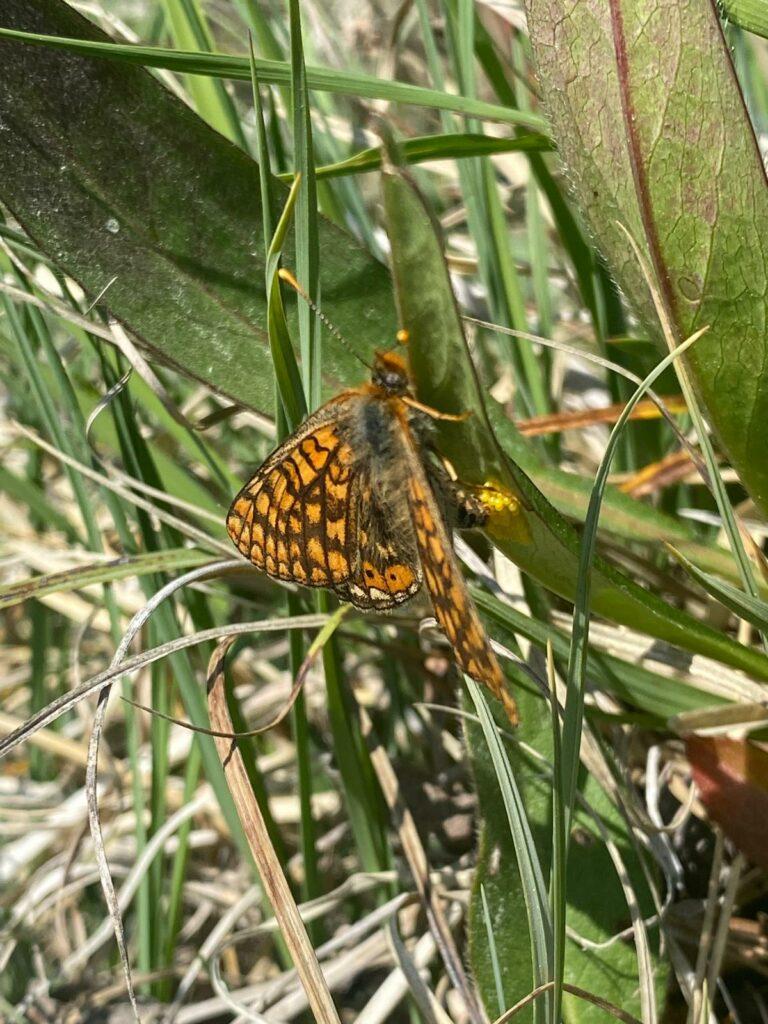
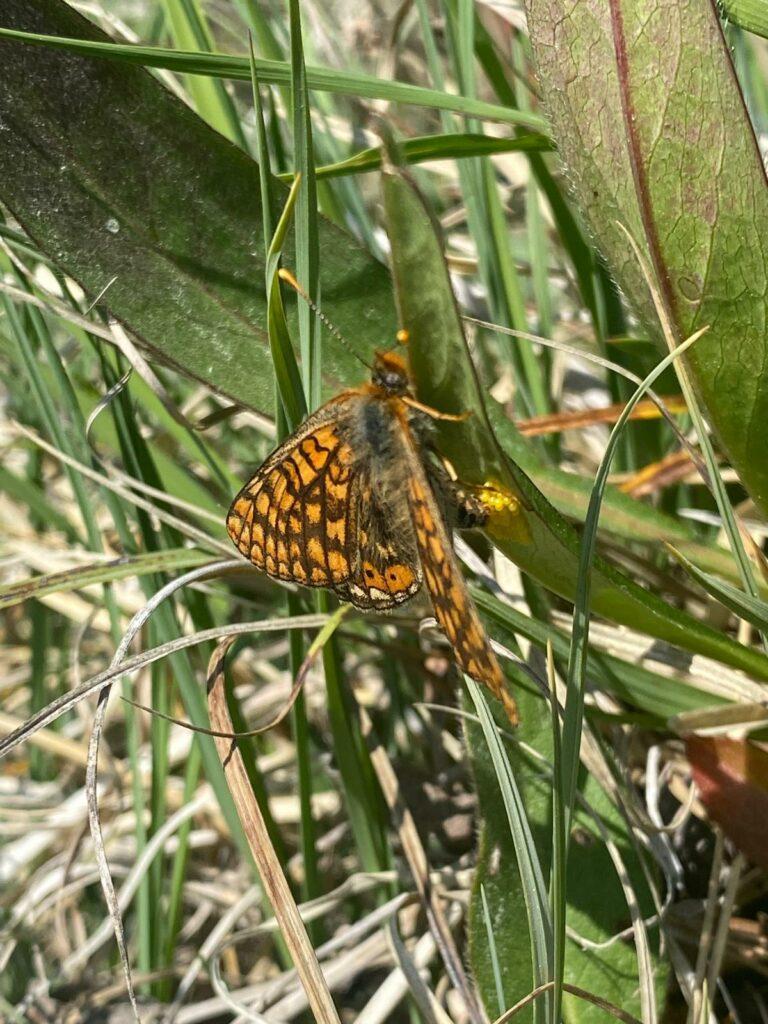
Marsh Fritillary

Euphydryas aurinia

Conservation Status: Vulnerable (VU)

Key Habitat: Wet calcareous grasslands with Succisa pratensis

Population exhibits significant annual fluctuations influenced by rainfall, temperature, and grazing management. Primary conservation concerns include habitat loss through agricultural intensification and inappropriate grazing regimes.

WhatsApp Image 2024-06-12 at 00.51.05

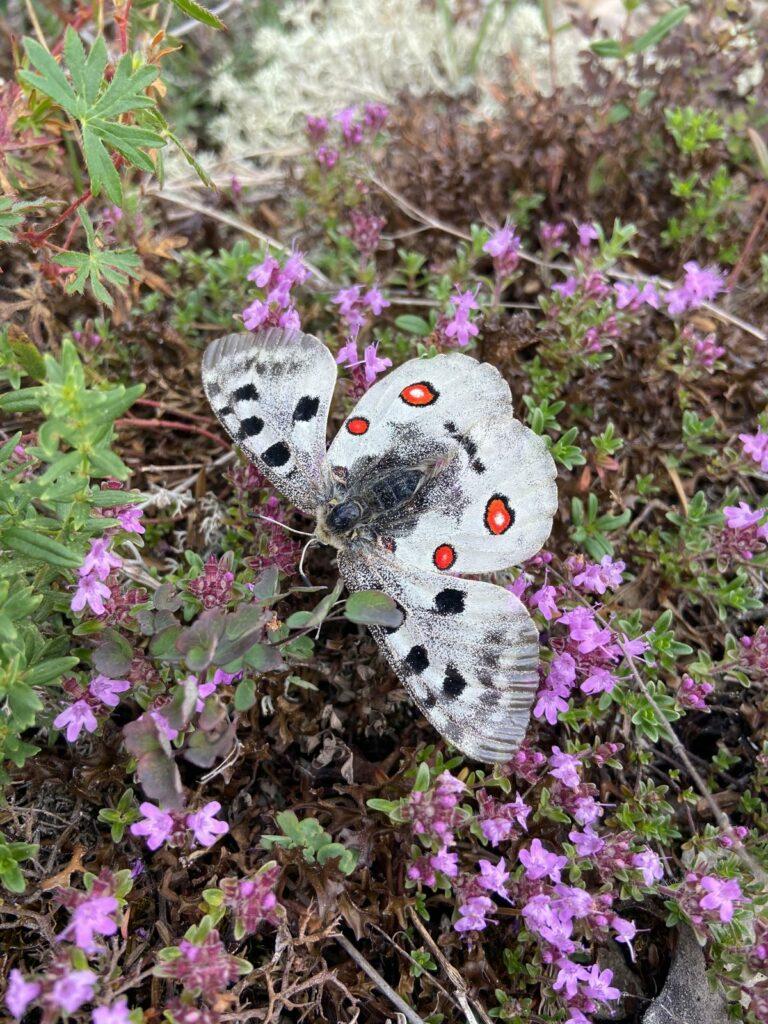
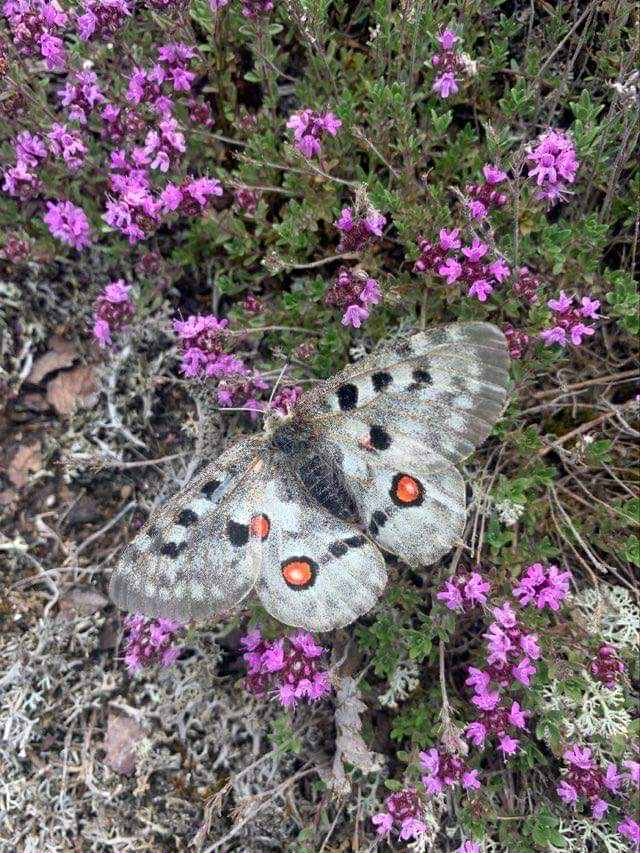
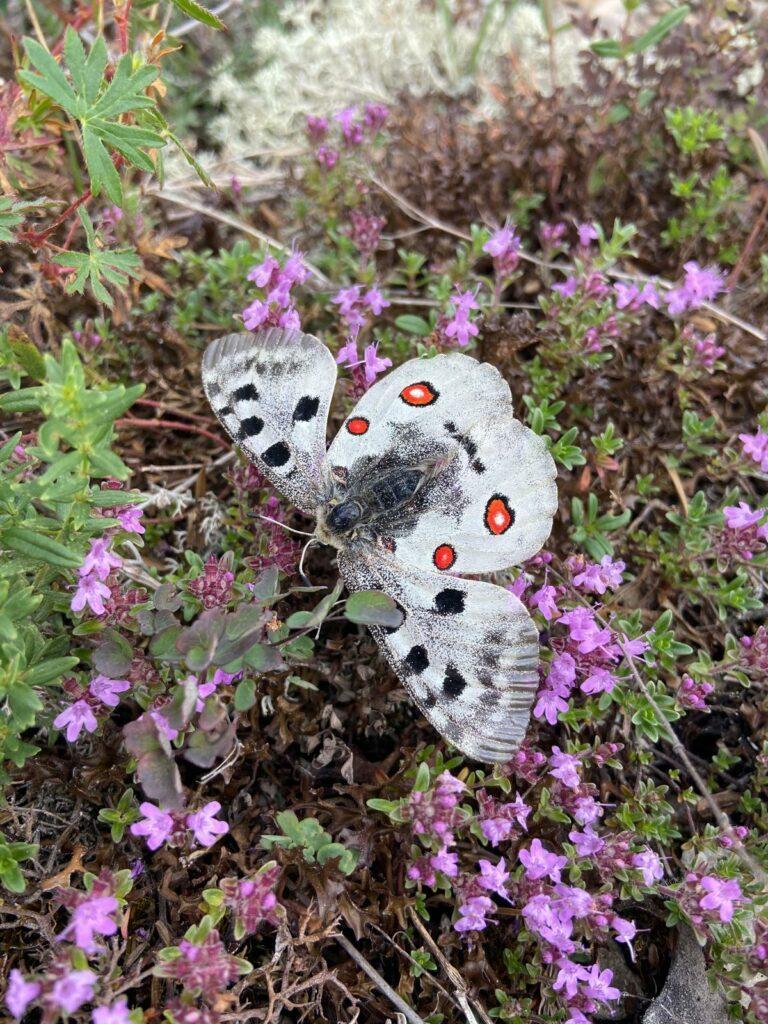
Apollo Butterfly

Parnassius apollo

Conservation Status: Vulnerable (VU)

Key Habitat: Open calcareous grasslands with Sedum species

Limestone quarry environments provide critical habitat through maintenance of early-successional conditions. Threatened by quarry expansion, agricultural intensification, and natural succession.

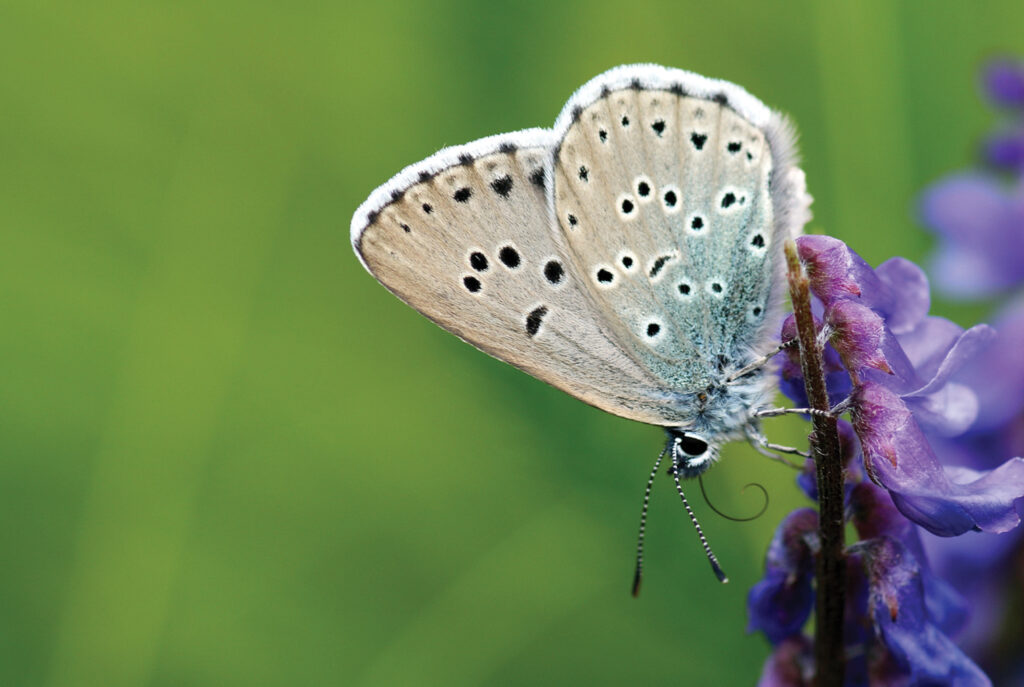
Large Blue

Phengaris arion

Conservation Status: Near Threatened (NT)

Key Habitat: Warm, dry calcareous grasslands with Thymus and Myrmica ants

Exhibits complex lifecycle requiring both specific host plants and Myrmica ant species. Highly sensitive to microhabitat conditions and grazing management.

Research methodology

Field surveys and population monitoring

Intensive mark-recapture programmes employing standardised transect surveys and individual marking protocols. Population size estimation via Cormack-Jolly-Seber (CJS) models accounting for detection probability. Spatial distribution mapping using handheld GPS units with sub-metre accuracy (SWEREF99 coordinate system).

Habitat characterisation

Quantification of vegetation structure, host plant abundance, nectar resource availability, and microclimatic conditions. Deployment of temperature data loggers recording ambient and ground-level temperatures at 30-minute intervals. Assessment of grazing intensity through vegetation height measurements and dung density surveys.

Movement ecology analysis

Reconstruction of individual movement trajectories from mark-recapture data. Fitting of alternative movement kernels (lognormal, gamma, negative exponential, half-normal) using maximum likelihood estimation. Analysis of density-dependent emigration and immigration through generalised linear modelling.

Spatial analysis and modelling

GIS-based landscape analysis incorporating land cover classification, patch size and isolation metrics, and connectivity indices. Metapopulation modelling to project population viability under alternative management scenarios. Integration of climate data to assess temperature and precipitation effects on demographic parameters.

Experimental grazing studies

Controlled grazing experiments employing paired grazed/ungrazed plots to quantify impacts on oviposition rates, larval survival, and habitat quality. Assessment of edge effects through systematic observation of butterfly behaviour at habitat boundaries. Quantification of host plant responses to varying grazing intensities.

Conservation outcomes and management recommendations

Our research demonstrates that Gotland possesses the potential to serve as a biodiversity stronghold for threatened calcareous grassland butterflies, contrasting with the prevailing narrative of habitat loss and biodiversity decline across Europe. Key findings informing conservation practice include:

Landscape-scale conservation planning

Population sizes and movement distances exceed previous estimates, necessitating conservation strategies that operate at landscape rather than patch scales. Current protected area networks may inadequately address the spatial requirements of these species. We recommend designation of functional conservation units encompassing core habitat patches, dispersal corridors, and buffer zones extending several kilometres from breeding sites.

Quarry management protocols

Active limestone quarries can provide valuable habitat when extraction plans incorporate biodiversity considerations. Recommended practices include:

  • Retention of early-successional areas through periodic disturbance
  • Creation of topographic heterogeneity to promote microhabitat diversity
  • Establishment of buffer zones around core breeding areas during critical phenological periods
  • Post-extraction restoration targeting calcareous grassland communities
  • Long-term monitoring to assess restoration efficacy and inform adaptive management

Grazing management guidelines

Optimal grazing regimes vary spatially and temporally according to species requirements, vegetation productivity, and climatic conditions. General principles include:

  • Avoidance of intensive grazing during critical life stages (oviposition, early larval development)
  • Maintenance of ungrazed or lightly grazed refugia within grazed landscapes
  • Adjustment of stocking densities in response to climatic variation and vegetation productivity
  • Consideration of livestock type and grazing behaviour in relation to target species requirements

Climate Adaptation Strategies

Projected climatic changes will necessitate adaptive management responses. Priority actions include:

  • Maintenance of landscape-scale connectivity to facilitate range shifts
  • Protection of climatic refugia (north-facing slopes, valley bottoms with higher moisture availability)
  • Flexible management that responds to inter-annual climatic variation
  • Integration of climate projections into long-term conservation planning

Funding and partnership

This research programme is supported through partnerships between academic institutions, industry stakeholders, and conservation foundations. Major funding sources include:

Primary sponsors


  • Heidelberg Materials AB: Principal industry partner providing sustained funding for long-term population monitoring and habitat restoration experiments. Heidelberg Materials’ commitment to integrating biodiversity conservation with limestone extraction operations exemplifies industry best practice.
  • Richertska Stiftelsen: Supporting capacity building, student training, and the development of evidence-based management guidelines for limestone quarry environments.

Additional funding sources


  • Swedish Research Council (Vetenskapsrådet)
  • Formas – Swedish Research Council for Sustainable Development
  • Swedish National Research Programme on Climate
  • Stiftelsen Oscar och Lili Lamms Minne
  • Carl Trygger Foundation

The Provincial Government of Gotland provides essential logistical support and research permits. This multi-stakeholder approach ensures research addresses both fundamental ecological questions and applied conservation challenges, whilst building capacity for long-term biodiversity monitoring and adaptive management.

Publications

Research findings are disseminated through peer-reviewed publications in leading international journals including Insect Conservation and Diversity, Landscape Ecology, Biodiversity and Conservation, and Journal of Insect Conservation.


WhatsApp Image 2024-06-11 at 16.51.46
Distance of movement in three threatened butterfly species
Franzén, M., Forsman, A., Kindvall, O., & Johansson, V. (2025). Distance of movement in three threatened butterfly species. Ecological Entomology, 50(1), 1–11. https://doi.org/10.1111/een.70027
WhatsApp Image 2024-06-12 at 00.51.05
Flight behaviour of a threatened butterfly at edges between high- and low-quality habitat
Johansson, V., Ström, P., Bergman, K.-O., & Franzén, M. (2025). Flight behaviour of a threatened butterfly at edges between high- and low-quality habitat. Journal of Insect Conservation, 29(1), Article 14. https://doi.org/10.1007/s10841-025-00649-9
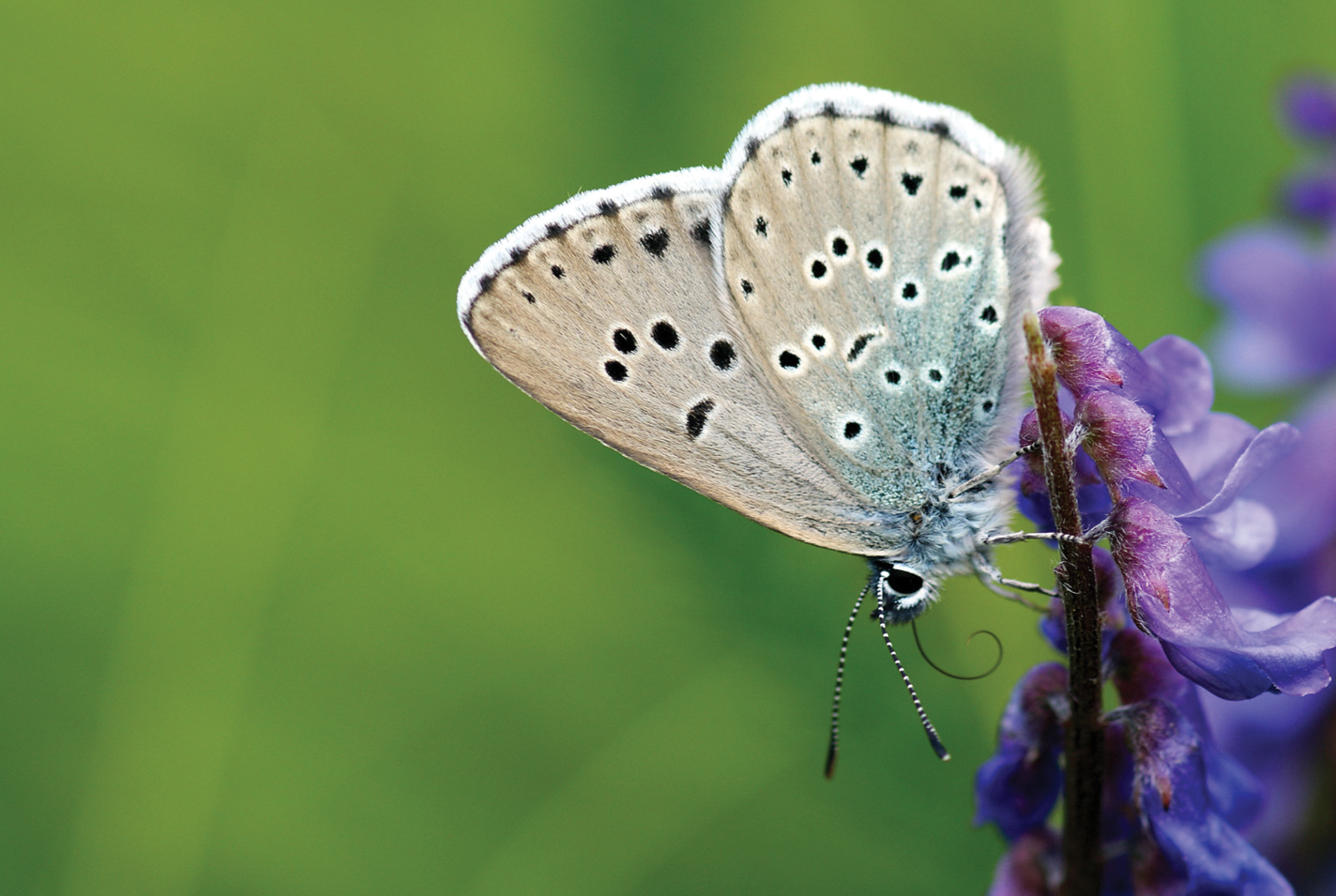
Long-distance movements and large population sizes of endangered butterfly species
Franzén, M., Johansson, H., Askling, J., Kindvall, O., Johansson, V., Forsman, A., Sunde, J. Long-distance movements, large population sizes and density-dependent dispersal in three threatened butterfly species. Insect Conservation and Diversity. 2024.  https://doi.org/10.1111/icad.12766